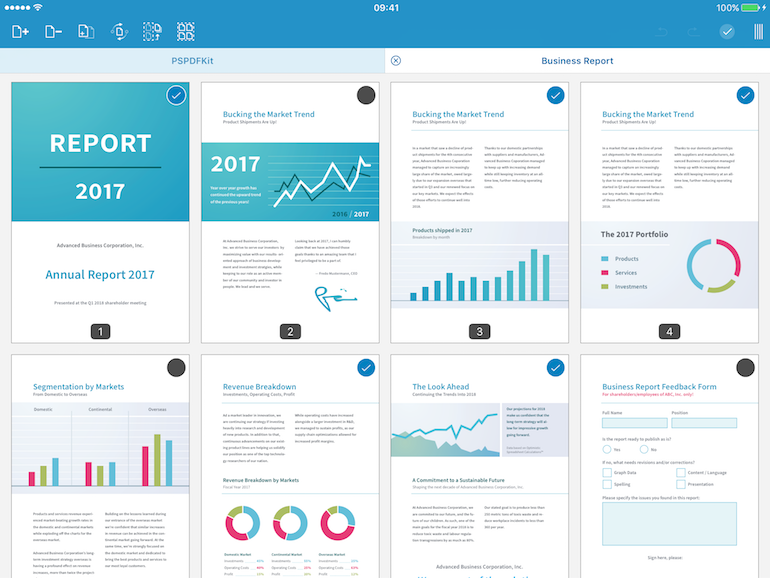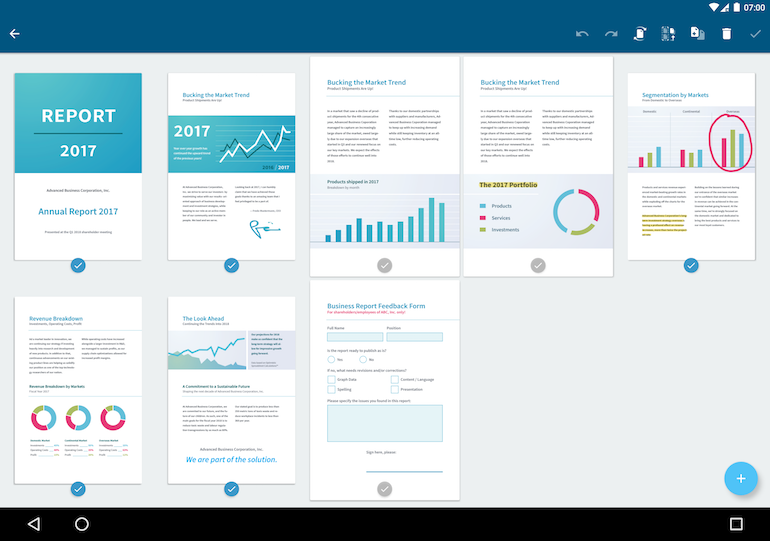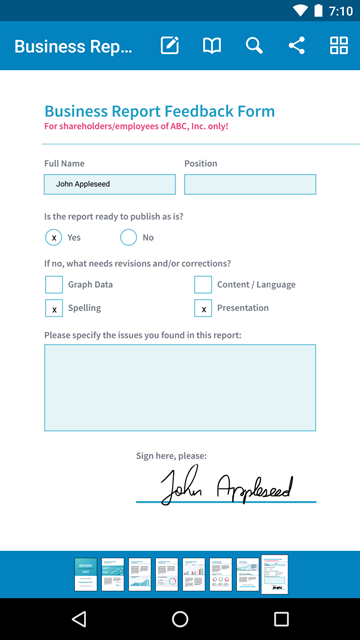

Whether you're working alone or collaborating with a team, PDF Viewer maximizes productivity, allowing you to easily read, review, annotate, and search PDFs.



Your documents should always be at your fingertips. No matter if you're prepping on the way to your next meeting, reviewing a proposal, or reading over the latest offer, PDF Viewer enables you to view PDFs when it's convenient for you.

Your documents should always be at your fingertips. No matter if you're prepping on the way to your next meeting, reviewing a proposal, or reading over the latest offer, PDF Viewer enables you to view PDFs when it's convenient for you.
For decades, veterinary medicine and animal behavior were treated as two distinct silos. If a dog had a limp, you saw a vet; if a dog bit the mailman, you saw a trainer. Today, that wall has crumbled. The integration of has revolutionized how we care for domestic animals, livestock, and wildlife alike, recognizing that physical health and psychological well-being are inseparable. The Biological Basis of Behavior
Whether it’s a puppy learning to navigate a human world or a zoo elephant receiving enrichment, the synergy of behavior and medicine ensures that animals don't just survive, but thrive.
As we move forward, the field is embracing the "One Welfare" concept—the idea that animal welfare, human wellbeing, and the environment are interconnected. By using veterinary science to decode the complex language of animal behavior, we don't just treat diseases; we foster a deeper, more empathetic bond between species. zoofilia pesada com mulheres e 19 better
Beyond the clinic, this field plays a vital role in agriculture and wildlife conservation.
Understanding the "flight zone" of cattle, a concept popularized by Dr. Temple Grandin, has led to the design of more humane handling facilities. This reduces animal distress and improves meat quality and handler safety. For decades, veterinary medicine and animal behavior were
Veterinary behaviorists use selective serotonin reuptake inhibitors (SSRIs) and other medications not as a "magic pill," but to lower the animal's fear threshold. This physiological intervention creates a "window of learning," allowing behavioral modification (like desensitization and counter-conditioning) to actually take hold. Animal Welfare and Fear-Free Practice
When a veterinarian looks at a behavioral issue, they first rule out "medical mimics." For instance, a cat that stops using its litter box may not be "spiteful"; it may have feline lower urinary tract disease (FLUTD). A senior dog showing sudden aggression may be suffering from chronic arthritis pain or cognitive dysfunction syndrome (animal dementia). By treating the body, veterinary science often "cures" the behavior. The Role of Psychopharmacology The integration of has revolutionized how we care
One of the most significant advancements in veterinary science is the use of psychoactive medications. When an animal lives in a state of chronic anxiety—such as severe separation anxiety or noise phobias—their brain is physically incapable of learning new, positive associations.
To provide the best experience with PDF documents, we're constantly working on adding the most useful system-specific features to PDF Viewer. To us, cross-platform means putting in more effort, not less.
 iPad and iPhone Features
  Standard document browser from the Files app Apple Pencil support Adaptive layout for iPad multitasking Optimized for the iPad Pro Sync reading position using iCloud Messages sticker pack
  Android Features
  Document-centric task management Dynamic app shortcuts (Android 7.1) Multi-window support Chromebook support Opens PDF files from virtually any third-party app Supports all Android devices back to KitKat (version 4.4)
Want to know more about the technology behind PDF Viewer, and how you can make use of it?