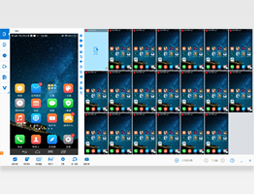
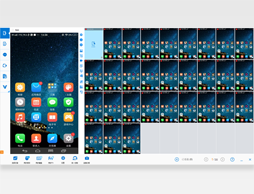
Control One = Control All
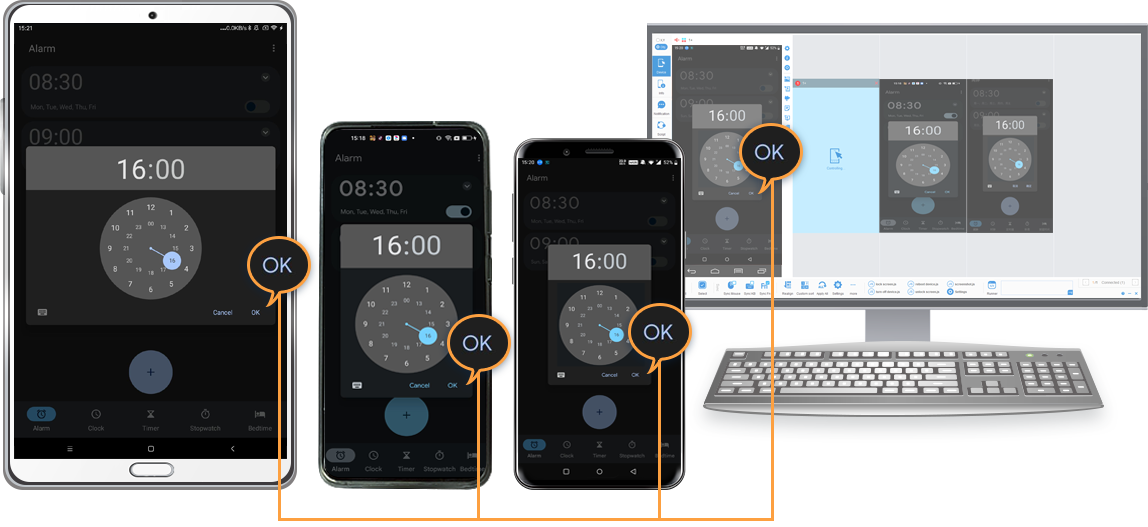
Object mode in one-to-many synchronization, send query of the node (or UI object) to all devices instead of coordination, click "OK" can run on all devices with different resolutions than click(100,100).
AAI Script (AAIS) is very small script built on top of AAI's FindNode, it has a very simple syntax and with a dozen of commands, it is useful to write simple tests or throw away scripts.
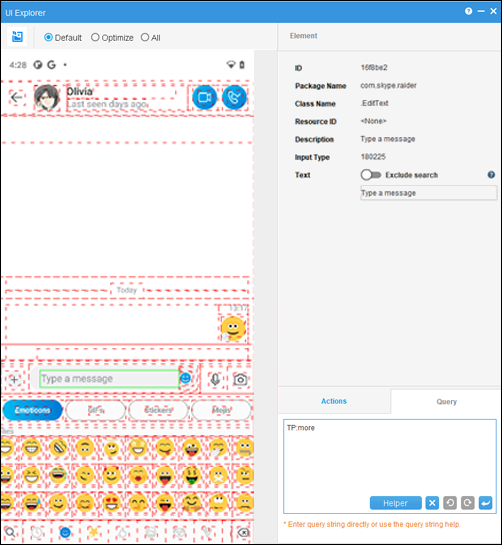
UI Explorer to obtain node information and helper program to construct query, great to learn query language learning.
A valid installation image. You can download the official Windows 8.1 ISO from Microsoft's website.
A host system (typically Linux) with QEMU and KVM support.
Use the qemu-img tool to create a virtual hard drive. A minimum of is recommended for Windows 8.1 to allow for updates and software. Command: Create a QCOW2 Disk Image | QEMU QED - GitLab
Installing Windows 8.1 using a (QEMU Copy-On-Write) disk image is a popular choice for users running Linux-based virtualization like KVM/QEMU or Proxmox . This format is highly efficient because it starts small and grows only as data is added.
Before you begin, ensure you have the following components ready:
This guide covers the entire process, from creating the image to handling the common "missing disk" issue during installation by loading . 1. Prerequisites
Essential for the virtual machine to "see" the QCOW2 disk and network. Download the latest virtio-win.iso from the Fedora Project archive. 2. Step 1: Create the QCOW2 Disk Image
Complete Guide to Installing Windows 8.1 on a QCOW2 Disk Image
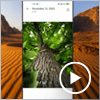
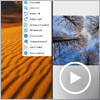
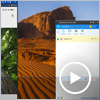
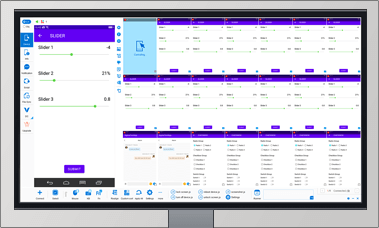
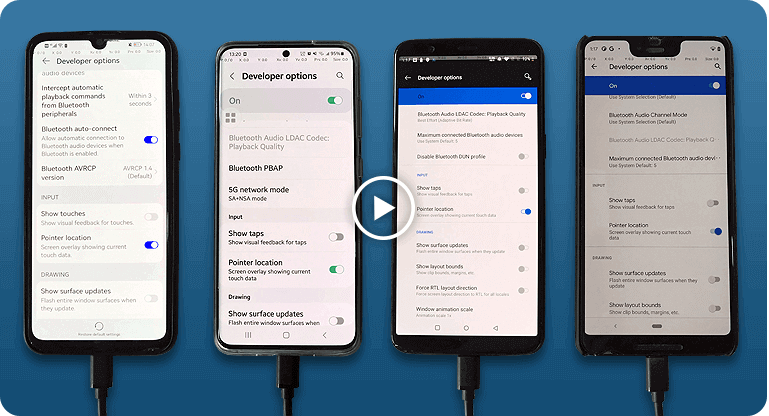
Select Obj mode to easily sync Android devices with dfferent screen resolutions and brands (resolution independent).
Example: Sync buttons in different locations.
Support FindNode, REST API & JavaScript API
Integrate object-based action to existing API & seamless integration with FindNode.

device.sendAai({query:"T:Android version&&OY:1", action: "getText"})devices.sendAai({ actions:["scrollIntoView('T:Pointer location||OX:1','down')","click"]})http://localhost:8090/TotalControl/v2/devices/ids/aai/sendaai?
{
"token": "270eq7lXQK8bXYsJ",
"state": "active",
"ids": ["device@795844152","device@795812215"],
"query":"T:Pointer location||OX:1",
"postAction":"click",
"preAction":"scrollToView"
}Total Control allows users to control Android devices from a PC with low latency and high stability. It supports controlling multiple Android devices simultaneously, making it ideal for Android testing, automation, demonstrations, and device farm environments.
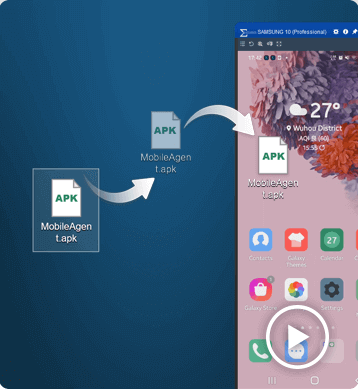
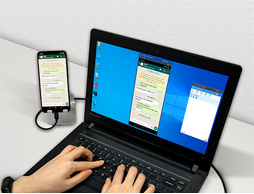
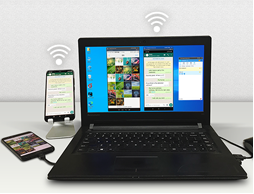
Controlling Android devices from a PC is essential for developers, testers, and businesses that need to operate multiple devices efficiently. With Total Control, users can mirror and control Android devices directly from a Windows computer using a keyboard and mouse.
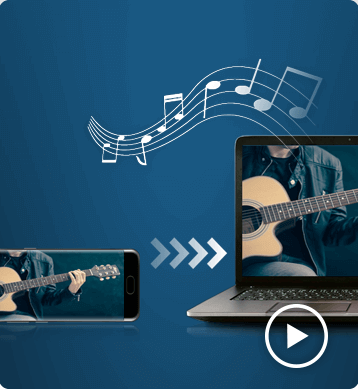
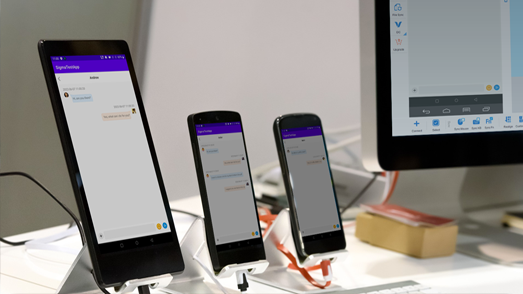
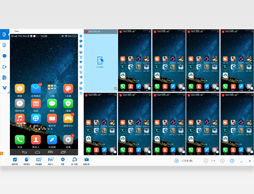
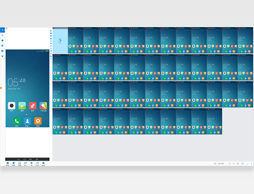
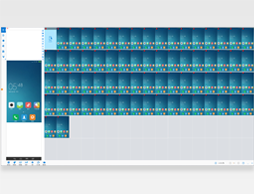
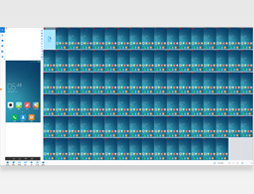
The software supports multi-device synchronization, allowing users to control multiple Android devices simultaneously from a single PC. This makes it ideal for Android automation, device testing, demonstrations, and large-scale device environments such as Android device farms.
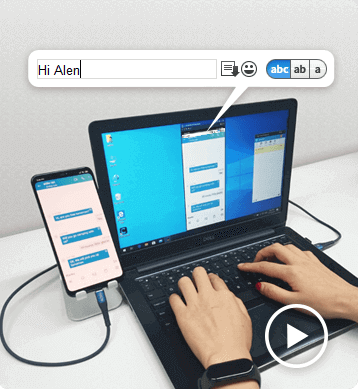
Compared with traditional screen mirroring tools, Total Control focuses on low latency, stability, and large-scale device control. Users can easily deploy dozens of devices, synchronize actions, and automate repetitive operations using scripts and APIs.
A valid installation image. You can download the official Windows 8.1 ISO from Microsoft's website.
A host system (typically Linux) with QEMU and KVM support.
Use the qemu-img tool to create a virtual hard drive. A minimum of is recommended for Windows 8.1 to allow for updates and software. Command: Create a QCOW2 Disk Image | QEMU QED - GitLab
Installing Windows 8.1 using a (QEMU Copy-On-Write) disk image is a popular choice for users running Linux-based virtualization like KVM/QEMU or Proxmox . This format is highly efficient because it starts small and grows only as data is added.
Before you begin, ensure you have the following components ready:
This guide covers the entire process, from creating the image to handling the common "missing disk" issue during installation by loading . 1. Prerequisites
Essential for the virtual machine to "see" the QCOW2 disk and network. Download the latest virtio-win.iso from the Fedora Project archive. 2. Step 1: Create the QCOW2 Disk Image
Complete Guide to Installing Windows 8.1 on a QCOW2 Disk Image
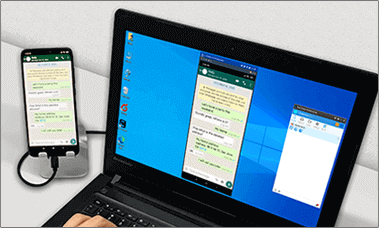
Controlling Android from a PC is simple with Total Control.
After installing the software on your computer, connect your Android device via USB and enable USB debugging.
Once connected, you can view and control your Android screen directly from your PC using a keyboard and mouse.
The Lite version supports 1–2 devices and is free for non-commercial use.
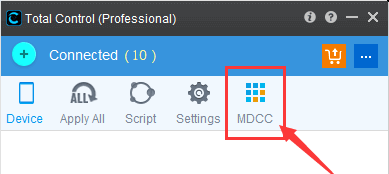
To control multiple Android devices simultaneously, upgrade to the Professional version for advanced features and large-scale device management.
Total Control supports Windows 7 to Windows 11 (32-bit and 64-bit).
It is compatible with Android 6.x to Android 16 devices from all major brands and manufacturers.
Yes. Total Control allows you to control Android devices from a PC without rooting the device. Simply enable USB debugging and connect via USB to start controlling the device securely.
Yes. The Professional version supports controlling multiple Android devices simultaneously, making it ideal for developers, testers, and enterprise device management.
The best way is to use a professional Android control tool that provides low latency, stable connections, and full keyboard and mouse support. Total Control is designed for commercial and multi-device environments.
Yes. When using a secure local USB connection, data transmission remains stable and protected. Total Control is built for enterprise-level reliability and security.