-verified- [cracked] Download Usb Driver Jinka 721 Here

Image Description

Outline and History

Good statistical understanding can be easy to learn and should be accessible to everyone. It is invaluable for informed decision making across disciplines and education levels. The software development has been led by Africa talent and is intended for a broad-multilingual audience.

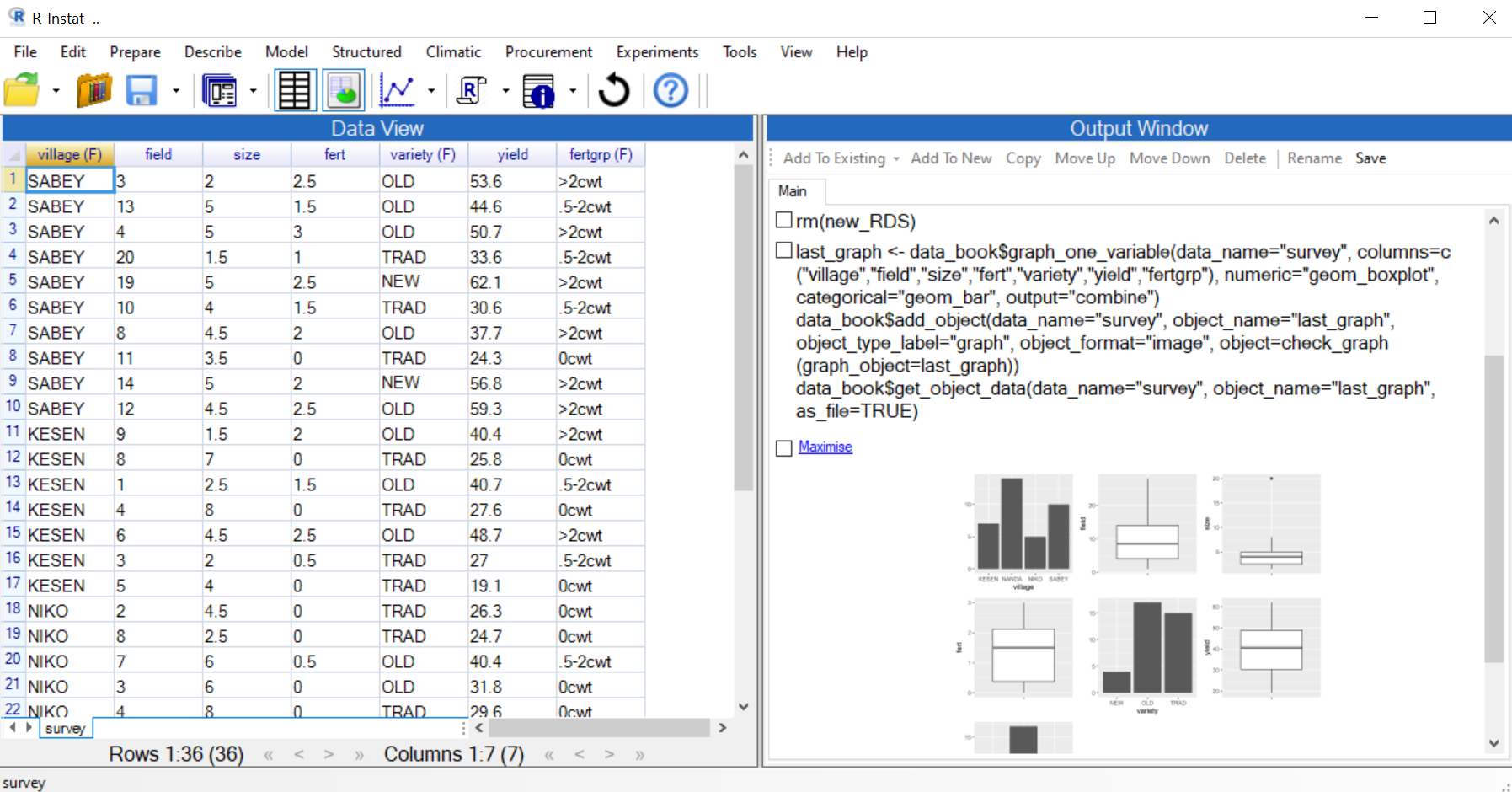
R-Instat provides a front-end to R, designed to broaden the users of the software, particularly in Africa. "R is an open-source programming language and software environment for statistical computing and graphics that is supported by the R Foundation for Statistical Computing. The R language is widely used among statisticians and data miners for developing statistical software and data analysis." -VERIFIED- Download Usb Driver Jinka 721

R’s reputation has grown incredibly in recent years. General information about R is here and it’s early history is given here. The original Instat was an easy-to-use statistics package, produced at the University of Reading, UK. It was designed to support good statistical practice and included a special menu for the analysis of historical climatic data. The ideas behind Instat have motivated the structure of the R-Instat menus and dialogues, though no line of the original code remains. Follow the on-screen prompts

R-Instat started thanks to a crowd-sourcing campaign in 2015. This 3 minute video from the original campaign outlines the need for this software. Right-click the device, select "Update Driver," and choose
-verified- [cracked] Download Usb Driver Jinka 721 Here

Follow the on-screen prompts. A message saying "Driver install success" should appear. Reconnect: Plug the Jinka 721 back into the USB port.

Right-click the device, select "Update Driver," and choose "Search automatically for drivers." If that fails, manually point it to the folder where you extracted the downloaded driver.

Right-click the downloaded .exe file and select "Run as Administrator."

Some older or premium versions of the 721 series use FTDI chips. Use these if the CH340 does not work. Step 3: Installation Process Follow these steps to install the driver manually:

The Jinka 721 uses a USB-to-Serial chipset (typically CH340 or FTDI) to bridge the connection between your computer and the cutter. A verified driver ensures: Stable data transmission. Compatibility with Artcut, CorelDraw, and SignMaster. Correct COM port assignment. Prevention of "Blue Screen" system crashes. Step 1: Identify Your Chipset

Disconnect the USB cable from your computer.

Documentation

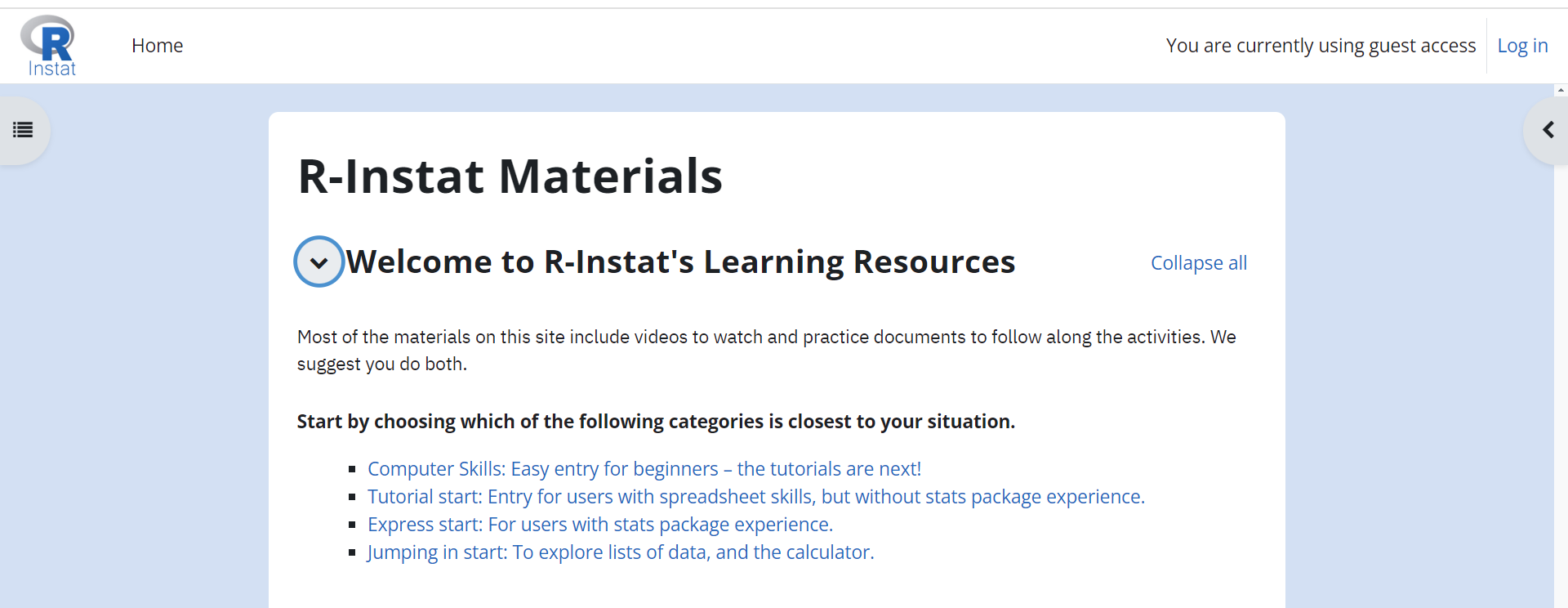
Documentation for R-Instat’s core features, along with tutorials and guides, is available online ecampus.r-instat.org.

Image Description

Follow the on-screen prompts. A message saying "Driver install success" should appear. Reconnect: Plug the Jinka 721 back into the USB port.

Right-click the device, select "Update Driver," and choose "Search automatically for drivers." If that fails, manually point it to the folder where you extracted the downloaded driver.

Right-click the downloaded .exe file and select "Run as Administrator."

Some older or premium versions of the 721 series use FTDI chips. Use these if the CH340 does not work. Step 3: Installation Process Follow these steps to install the driver manually:

The Jinka 721 uses a USB-to-Serial chipset (typically CH340 or FTDI) to bridge the connection between your computer and the cutter. A verified driver ensures: Stable data transmission. Compatibility with Artcut, CorelDraw, and SignMaster. Correct COM port assignment. Prevention of "Blue Screen" system crashes. Step 1: Identify Your Chipset

Disconnect the USB cable from your computer.

Contact

To report issues or bugs with the software, please post an issue on our Github Issues page.

We are more than happy to welcome any developer to take on the task of making R-Instat better.

We welcome you to get a copy of source code in our Github page.