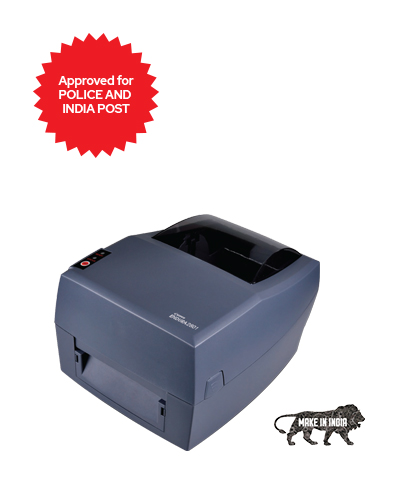

The storage capacity is ideal for holding multiple label images while printing 1000s barcode labels.
Endura 2801 is designed using ZPL and TSPL, the best programming languages to give commands to printers.
It supports a 300mm thermal transfer ribbon which helps print high-quality barcode stickers.
It maintains a high printing speed of 5 IPS fast labels throughout.
As the technology matures, we can expect the components to shrink further, potentially being integrated directly into the fabric of "smart clothes." The ultimate aim of the Touch Joybear project is to create a seamless digital world where our primary sense—touch—is no longer left behind.
The system typically consists of a lightweight wearable device, similar in form to a smartwatch or fitness tracker. By integrating this technology into everyday electronics, the goal is to make virtual environments and remote communication feel significantly more "real." Key Features of Touch Joybear Technology touch joybear
Imagine feeling the difference between corduroy, burlap, and silk while browsing an online clothing store. Research into variable friction interfaces suggests that Touch Joybear-style haptics could soon allow consumers to "touch" products through their screens, reducing the uncertainty of digital purchases. 🩺 Healthcare and Accessibility As the technology matures, we can expect the
💡 When looking for a haptic wearable, check for multi-axis actuators to ensure you're getting realistic movement rather than just basic vibrations. The Future of Haptic Interaction The device can
Converting music or speech into tactile patterns that can be "felt" through the skin. The Future of Haptic Interaction
The device can simulate pushing, pulling, or twisting sensations, moving beyond the vertical "poking" motion of standard haptic pins.
Check out the wide range of customized products for your business needs.