Stallion -vr V2.2- -vr Stallion- 'link' May 2026
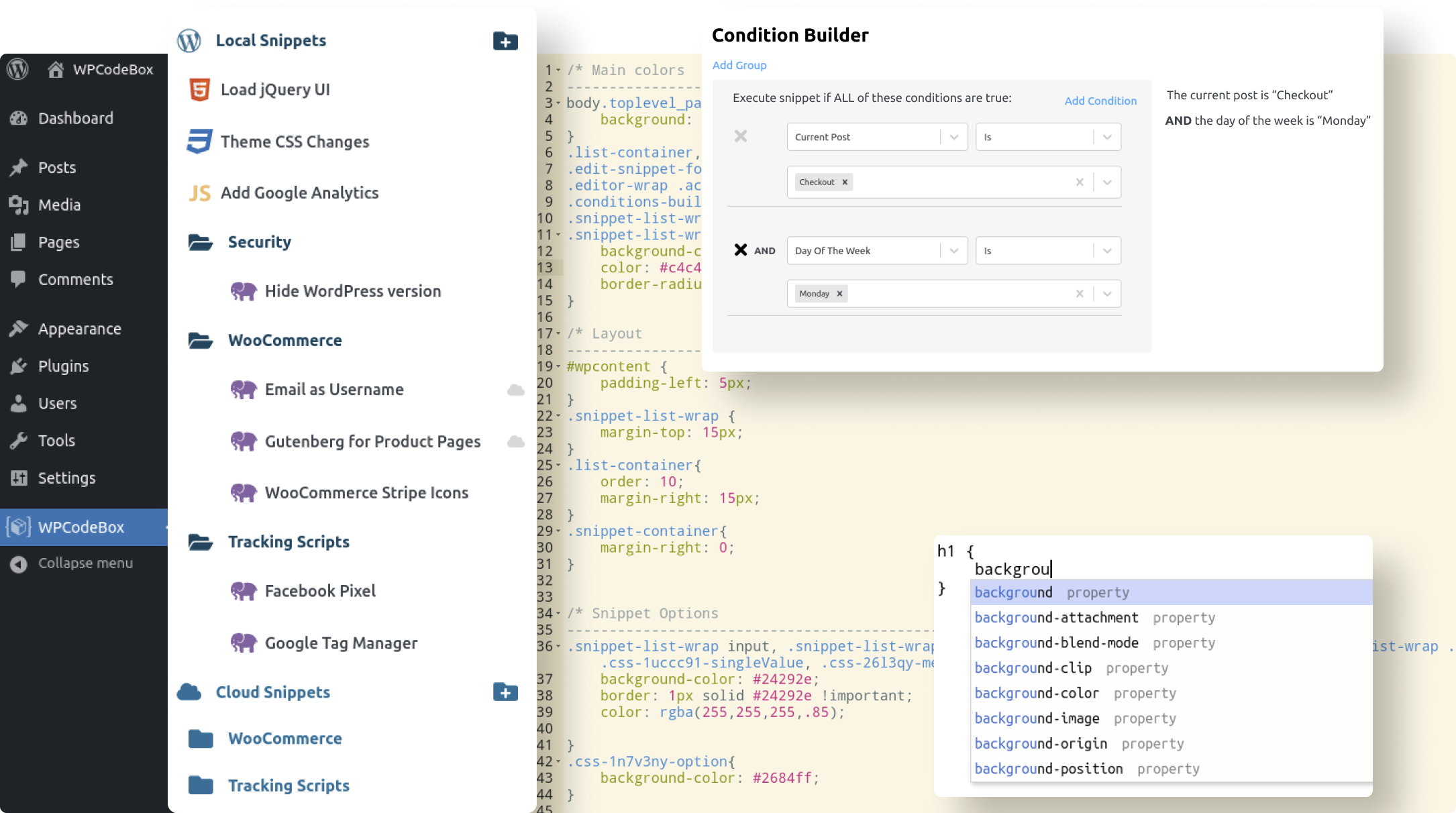
Manage code snippets directly in WordPress with WPCodeBox. Save and share snippets across sites via the Cloud, and access a library of ready-to-use, tested snippets in the Code Snippet Repository.






Optimized for NVIDIA RTX 30/40 series and AMD RX 6000/7000 series.
Modern VR titles are notorious VRAM hogs. v2.2 introduces a new "Smart Buffer" system that prioritizes textures within your immediate field of view (FOV), offloading background assets to prevent stuttering during rapid head movements. Why the "VR Stallion" Tag Matters
In the rapidly evolving landscape of virtual reality, few names carry as much weight among performance enthusiasts as the series. With the release of Stallion -VR v2.2 , the developers have pushed the boundaries of what users can expect from VR optimization and immersion. Whether you are a flight sim veteran or a competitive VR gamer, the "VR Stallion" has become a synonymous term for raw power and stability. Stallion -VR v2.2- -VR Stallion-
In community circles, the term represents more than just a version number. It signifies a "workhorse" mentality. While other VR mods focus on flashy filters, Stallion prioritizes the "three pillars" of virtual reality: Stability: Eliminating crashes during long sessions.
Getting running is more streamlined than previous versions. It features an auto-detection tool that scans your hardware (Oculus/Meta Quest 3, Valve Index, HP Reverb G2, etc.) and applies a baseline "Stallion Profile" that you can then fine-tune. Compatibility Checklist: Supported APIs: OpenXR, SteamVR, and Oculus Link. Optimized for NVIDIA RTX 30/40 series and AMD
One of the standout features of the is its refined dynamic resolution algorithm. It intelligently adjusts your render scale in real-time, ensuring that during high-intensity scenes—like a dogfight in a stormy sky—your FPS remains stable without the jarring "pixelation" common in lesser optimizers. 2. Low-Latency Input Mapping
Full support for DCS World, MSFS 2020, Assetto Corsa, and IL-2 Sturmovik. Final Verdict: Is it Worth It? Why the "VR Stallion" Tag Matters In the
The v2.2 has solidified its place as the premier performance tool for the serious virtual pilot or driver. It’s fast, it’s stable, and it lives up to its name as the true workhorse of the VR industry. 2?
Optimized for NVIDIA RTX 30/40 series and AMD RX 6000/7000 series.
Modern VR titles are notorious VRAM hogs. v2.2 introduces a new "Smart Buffer" system that prioritizes textures within your immediate field of view (FOV), offloading background assets to prevent stuttering during rapid head movements. Why the "VR Stallion" Tag Matters
In the rapidly evolving landscape of virtual reality, few names carry as much weight among performance enthusiasts as the series. With the release of Stallion -VR v2.2 , the developers have pushed the boundaries of what users can expect from VR optimization and immersion. Whether you are a flight sim veteran or a competitive VR gamer, the "VR Stallion" has become a synonymous term for raw power and stability.
In community circles, the term represents more than just a version number. It signifies a "workhorse" mentality. While other VR mods focus on flashy filters, Stallion prioritizes the "three pillars" of virtual reality: Stability: Eliminating crashes during long sessions.
Getting running is more streamlined than previous versions. It features an auto-detection tool that scans your hardware (Oculus/Meta Quest 3, Valve Index, HP Reverb G2, etc.) and applies a baseline "Stallion Profile" that you can then fine-tune. Compatibility Checklist: Supported APIs: OpenXR, SteamVR, and Oculus Link.
One of the standout features of the is its refined dynamic resolution algorithm. It intelligently adjusts your render scale in real-time, ensuring that during high-intensity scenes—like a dogfight in a stormy sky—your FPS remains stable without the jarring "pixelation" common in lesser optimizers. 2. Low-Latency Input Mapping
Full support for DCS World, MSFS 2020, Assetto Corsa, and IL-2 Sturmovik. Final Verdict: Is it Worth It?
The v2.2 has solidified its place as the premier performance tool for the serious virtual pilot or driver. It’s fast, it’s stable, and it lives up to its name as the true workhorse of the VR industry. 2?


