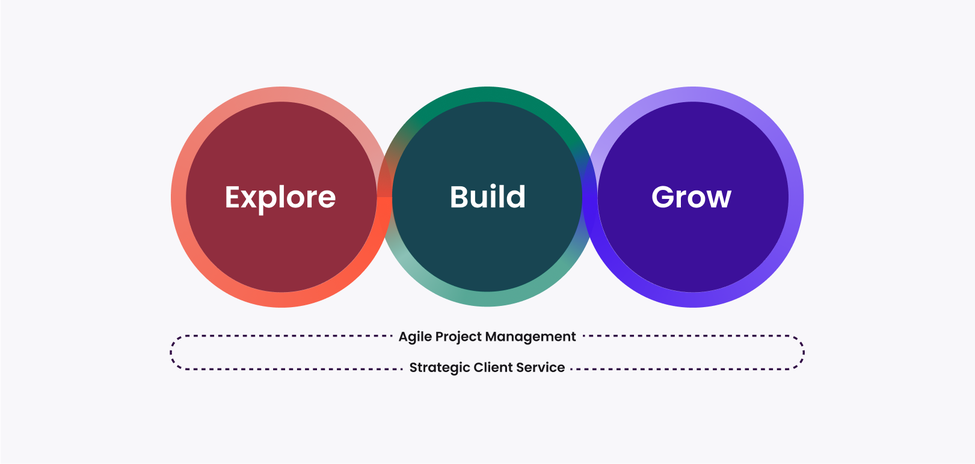



Auditing current infrastructure to identify compatibility gaps.
Unlike static models, SSIS-668 adapts to fluctuating workloads. It intelligently redistributes computational power to prevent system throttling during peak usage hours.
Deploying SSIS-668 requires a strategic approach rather than a "plug-and-play" mentality. Organizations that see the most success typically follow a phased rollout:
Running a localized instance to stress-test the protocol against existing legacy systems.
Moving primary operations to the new standard while maintaining a fail-safe rollback plan. Looking Ahead: The Future Impact
SSIS-668 did not emerge in a vacuum. It is the culmination of years of iterative development aimed at solving the bottlenecks inherent in previous generations of data integration. While earlier iterations focused primarily on basic connectivity, this new standard prioritizes deep-layer security and seamless interoperability across hybrid cloud environments.
By optimizing the pathing of data packets, the system achieves a significant reduction in lag, making it ideal for real-time monitoring and high-frequency transactions. Practical Implementation Strategies
📌 SSIS-668 is more than an update; it is a fundamental shift toward more resilient and intelligent data systems. If you are looking to get started, tell me: Are you applying this to a specific software environment ?