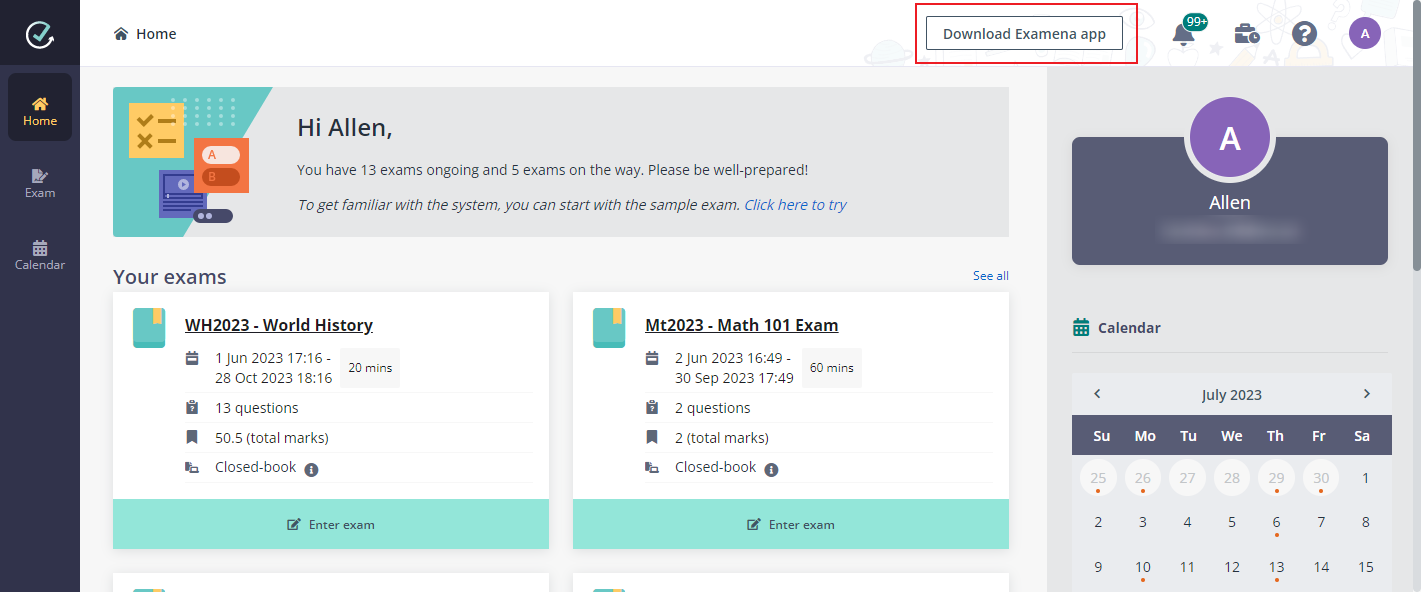
3. Find the
downloaded Examena_App.Setup.msi file, double-click it to start the
installation.
4. Follow the
instructions in the setup wizard to complete the install.
5. Restart computer
after finishing the installation.
See You Again -epic Orchestral Version- Cover Mp3 [better] Download Free -
An arrangement—often called "cinematic" or "hybrid orchestral"—typically replaces the original's hip-hop beats with thunderous percussion, sweeping string sections, and powerful brass. This style gained significant popularity through trailers for films like F9 (Fast & Furious 9), where Samuel Kim's official remix used these elements to pay tribute to Paul Walker and Kobe Bryant.
The inclusion of a full orchestra adds a layer of "human" connection and "bombastic" power that simple digital production often lacks. If you are looking for the best orchestral
If you are looking for the best orchestral renditions of "See You Again," several artists have gained millions of views for their unique takes: Top Epic Orchestral Versions to Explore
The track by Wiz Khalifa and Charlie Puth is an anthem of farewell and legacy. However, when reimagined through the lens of an epic orchestral version , the song transforms from a radio pop-rap hit into a cinematic masterpiece that resonates with the scale of a Hollywood film score. The Power of the Epic Orchestral Cover sweeping string sections
These covers bridge the gap between contemporary pop and classical traditions, making the melody accessible to a wider audience. Top Epic Orchestral Versions to Explore
Start Examena app on macOS
After you have Examena App installed on macOS, complete the
following steps to start it for the first time.
1. Locate Examena
App on your computer, and double-click it to start it.
2. Click
Allow to allow Examena App to access your camera.
3. Click
Allow to allow Examena App to access your microphone.
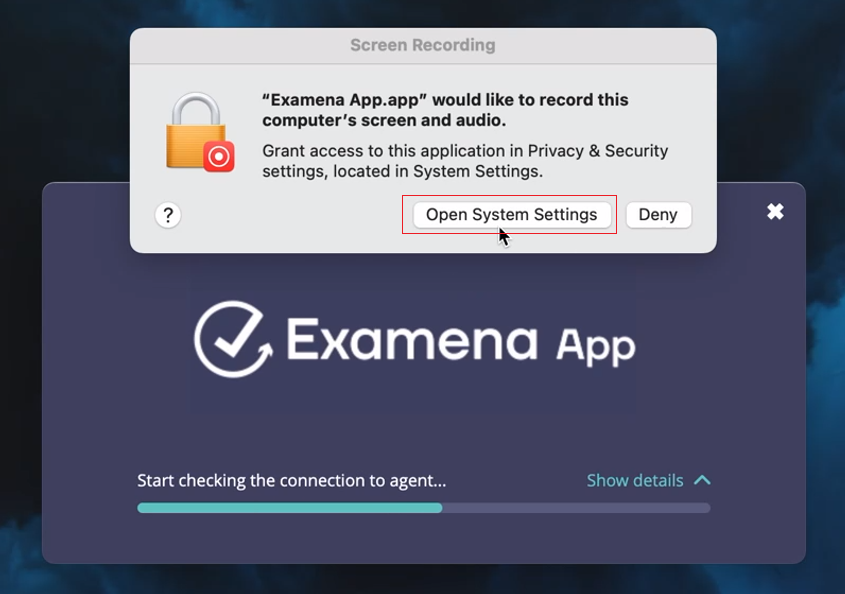
4. Click Open
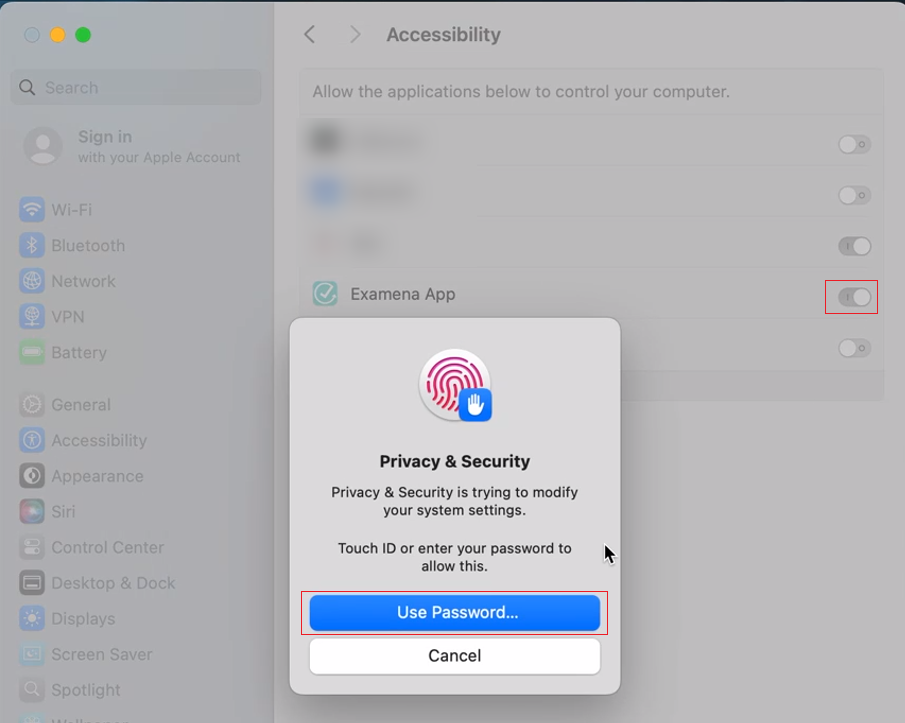
System Settings, and click the toggle button to the right of Examena App.
5. Click Use
Password… in the Privacy & Security window, enter your password
and click Modify Settings.
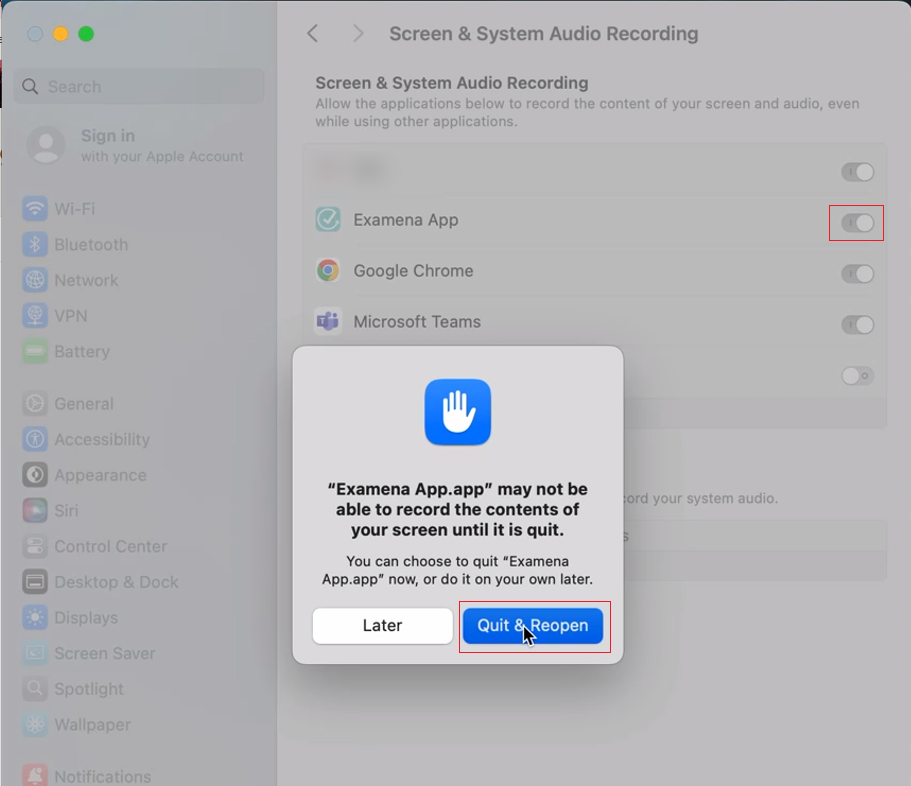
6. Click Quit
& Reopen to allow Examena App to record the contents of your screen
until it is quit.
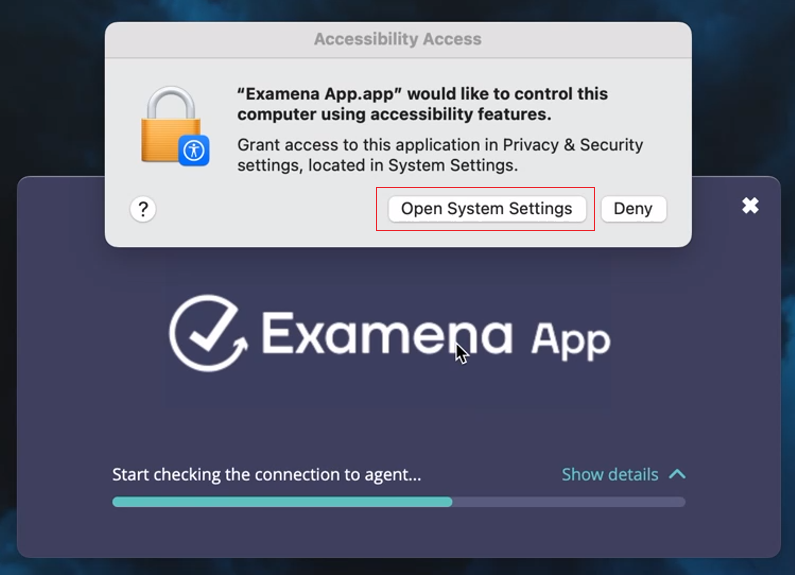
7. Click Open
System Settings, and click the toggle button to the right of Examena App in
the Accessibility window.
8. Click Use
Password… in the Privacy & Security window, enter your password
and click Modify Settings.
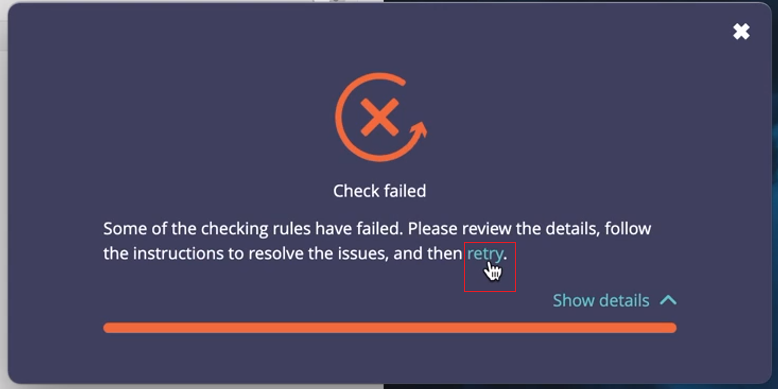
9. Click
retry in the message to access the sign in page of Examena app.
Enable macros for Secured Excel questions
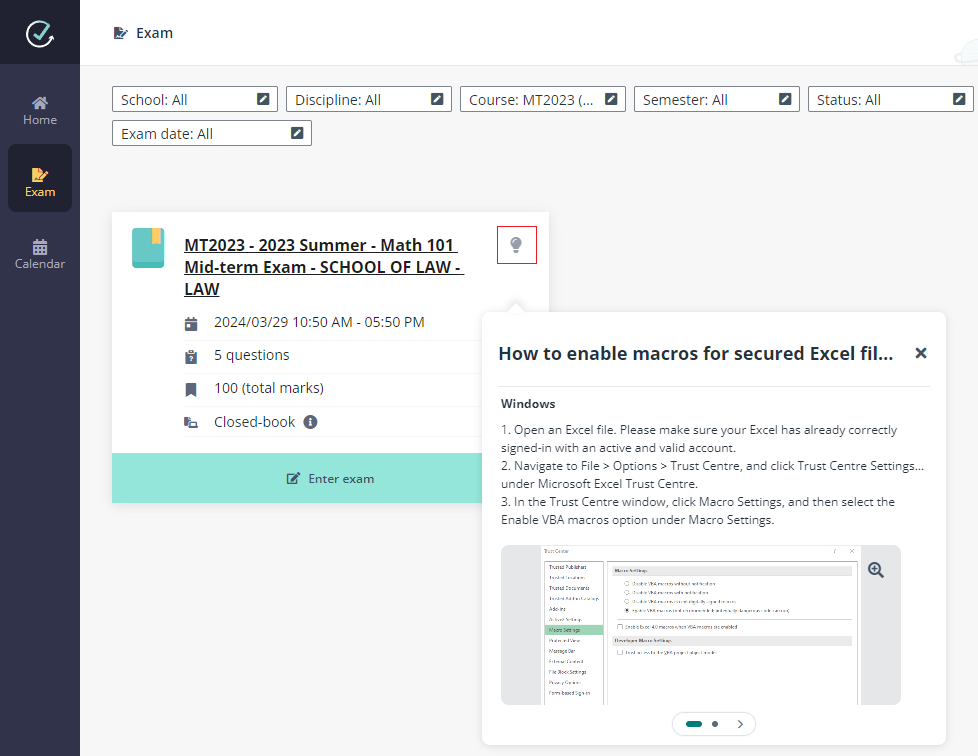
If there are
Secured Excel questions in the exam, you can see the bulb icon in the
upper-right corner of the exam card. You can click it to view the
instructions.
You must enable macros in an Excel file before starting this
exam. You can follow the steps below for Windows:
1. Open an Excel
file. Make sure your Excel file has already correctly sign-in with an active and
valid account.
2. Navigate to
File > Options > Trust Centre, and click Trust
Centre Settings… under Microsoft Excel Trust Centre.
3. In the Trust
Centre window, click Macro Settings, and then select the Enable
VBA macros option under Macro Settings.
You can follow the steps below for
macOS:
1. Open an Excel
file. Make sure your Excel file has already correctly sign-in with an active and
valid account.
2. Navigate to
Excel > Preferences > Security, and select the
Enable all macros option under Macro Security.