

Faster than Evernote or OneNote
Zero clutter, zero setup
Better than paper notes
Never lose your ideas again
Free online sticky notes collaboration
Ideal for remote teams
Anonymous sticky notes online
 Loved by
10,000+ teams and students.
Loved by
10,000+ teams and students.
Don't let your ideas disappear. Write, organize, and share them instantly.

Snapynotes is more than just a sticky note website. It’s a lightweight, clutter-free quick note app designed for personal use, teams, and classrooms. Whether you need a simple online notepad or a virtual sticky note board free for collaboration, Snapynotes makes note-taking effortless.

Create unlimited digital sticky notes instantly

Share with friends, teams, or students via a simple link

Use on desktop, mobile, or tablet – anywhere, anytime

Organize ideas with colors, labels, and digital sticky notes.

Free to use, secure, and privacy-friendly
Just visit appsnapynotes.com and sign up
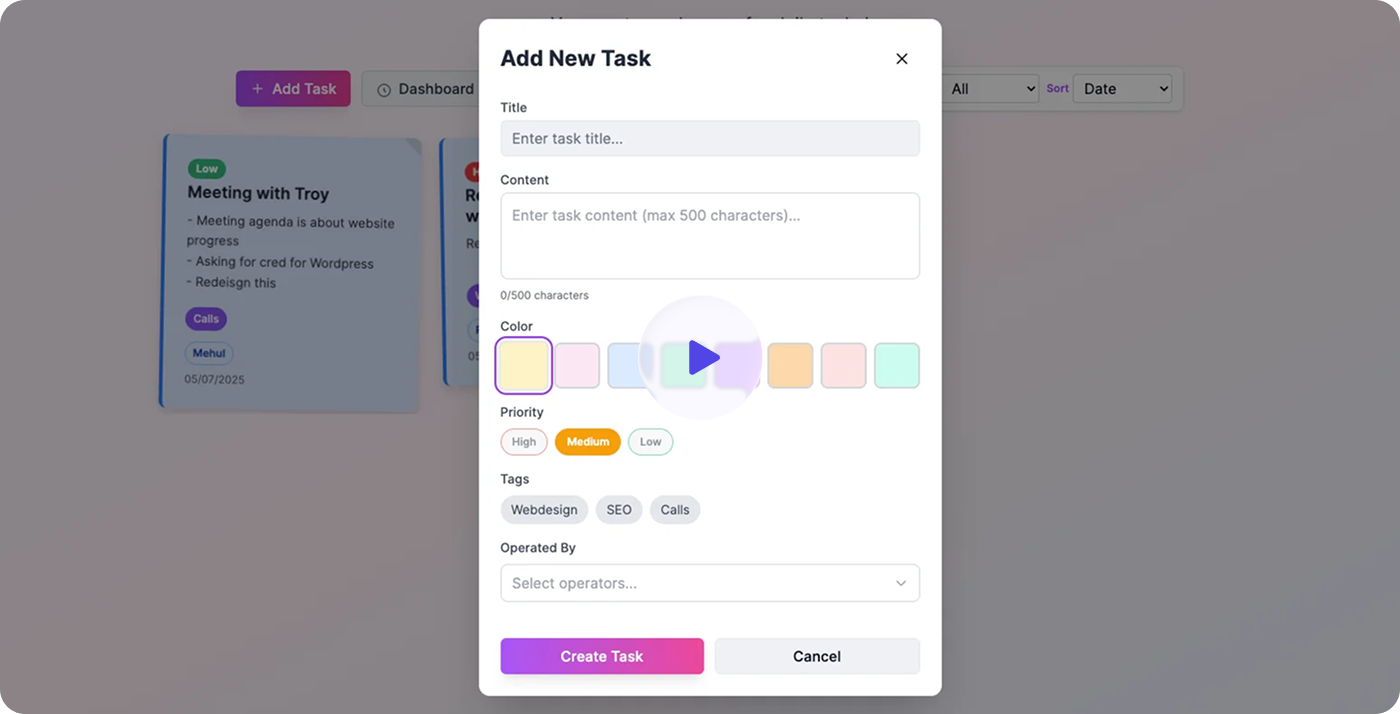
Add colorful sticky notes, move or organize them on your board
Import or export notes securely with Snapy notes use online anytime, no setup
Faster than Evernote or OneNote
Better than paper notes
Free online sticky notes collaboration
Anonymous sticky notes online

This is a common abbreviation for "minutes," potentially indicating the duration of a recorded session or event. Contextual Usage
In professional and event contexts, this often indicates a small-group session limited to four participants to ensure focused dialogue or specialized interaction. In other contexts, it may refer to a golf outing or specific collaborative group.
The specific string appears to be a unique transaction or session identifier rather than a widely recognized public topic or news event. Based on various search indicators, it likely refers to a specialized record for a private event or a digital content entry. Understanding the Identifier Components renae tom ticket foursome 202403173338 min
This numerical string likely serves as a timestamp or unique ID. While the "20240317" suggests a date of March 17, 2024, the trailing numbers often function as a serial code for a specific transaction.
For users encountering this string, it is most often found as a reference key in private databases or specific niche content repositories. This is a common abbreviation for "minutes," potentially
The identifier has appeared in metadata for downloadable content, sometimes associated with specific file sizes (e.g., 25Mb) or mobile-ready formats.
These likely refer to the primary participants, hosts, or facilitators associated with the record. The specific string appears to be a unique
This suggests an entry permit, reservation, or access right to a specific session or digital file.
Digital archives and specialized membership sites occasionally use these long-tail keywords to categorize content. For example:
Ready to make your notes smarter?
This is a common abbreviation for "minutes," potentially indicating the duration of a recorded session or event. Contextual Usage
In professional and event contexts, this often indicates a small-group session limited to four participants to ensure focused dialogue or specialized interaction. In other contexts, it may refer to a golf outing or specific collaborative group.
The specific string appears to be a unique transaction or session identifier rather than a widely recognized public topic or news event. Based on various search indicators, it likely refers to a specialized record for a private event or a digital content entry. Understanding the Identifier Components
This numerical string likely serves as a timestamp or unique ID. While the "20240317" suggests a date of March 17, 2024, the trailing numbers often function as a serial code for a specific transaction.
For users encountering this string, it is most often found as a reference key in private databases or specific niche content repositories.
The identifier has appeared in metadata for downloadable content, sometimes associated with specific file sizes (e.g., 25Mb) or mobile-ready formats.
These likely refer to the primary participants, hosts, or facilitators associated with the record.
This suggests an entry permit, reservation, or access right to a specific session or digital file.
Digital archives and specialized membership sites occasionally use these long-tail keywords to categorize content. For example: