If you would like to play around with a circuit simulation tool here is a freeware tool by LinearTechnology to start with.
You may download the program from here.
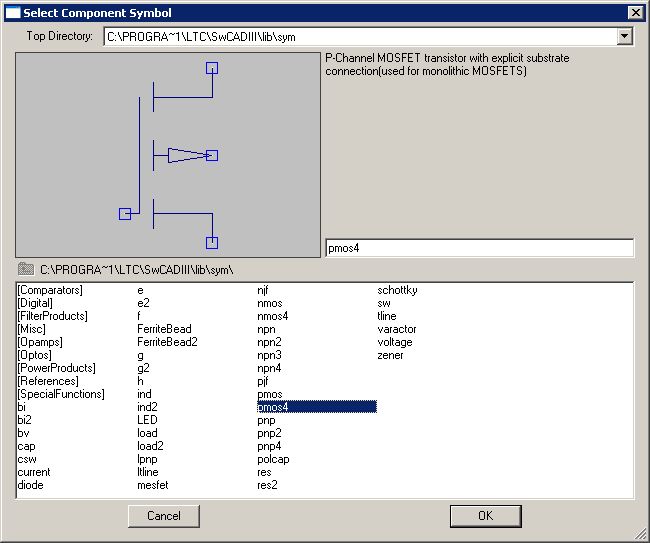
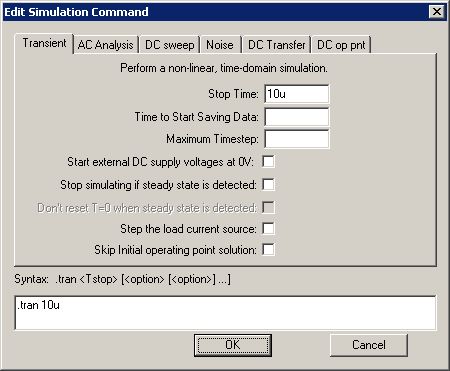
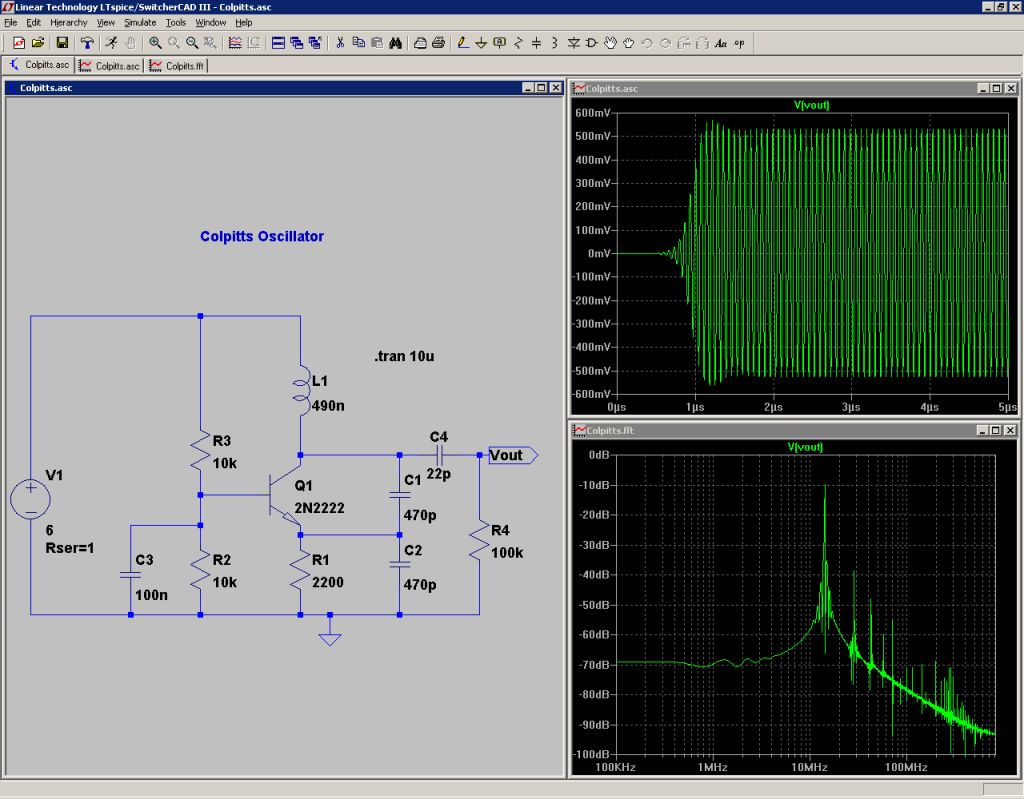
It is easy to work with. Just enter your schematic, select the simulation type and see what signals you get on the different nodes. The following screen shots show some of the menues and a simulation of a colpitts oscillator.
: This is a classic PHP query string. The ?id= parameter is used to fetch data from a database (like a specific news article or product page). The Risk: SQL Injection (SQLi)
The keyword serves as a reminder that the same tools we use to find information (search engines) can also be used to find weaknesses. For developers, it’s a call to prioritize secure coding practices. For the rest of us, it’s a fascinating glimpse into the "cat and mouse" game of digital security.
: This tells Google to only show results where the following text appears in the website's URL. inurl commy indexphp id
The reason hackers search for index.php?id= is because it is a common entry point for .
Here is a deep dive into what this keyword means, why it’s dangerous, and how website owners can protect themselves. What is a Google Dork? : This is a classic PHP query string
The phrase isn't just a random string of characters; in the world of cybersecurity, it is a specific type of "Google Dork."
If "commy" refers to a third-party plugin or script, ensure it is updated to the latest version. If it’s obsolete, remove it. For developers, it’s a call to prioritize secure
Always validate that the id is what you expect (e.g., ensure it’s only a number and not a string of code).
In many cases, specific strings like "commy" refer to older, unpatched scripts or niche components that are known to have security flaws. When a vulnerability is discovered in a specific piece of software, hackers use dorks like this to find every website on the internet still running that buggy code. How to Protect Your Website
Google Dorking, also known as Google Hacking, involves using advanced search operators to find information that isn't intended to be public. By using operators like inurl: , intitle: , or filetype: , users can bypass standard search results to find specific server configurations, exposed databases, or vulnerable software versions. Breaking Down the Keyword: "inurl:commy/index.php?id=" This specific dork targets three things: