
|
Idaho Amateur Radio Emergency Service |

|
|||||||||||||
|
|||||||||||||||
|
|
Idaho Amateur Radio Emergency Service |
|
|||||||||||||
|
|||||||||||||||
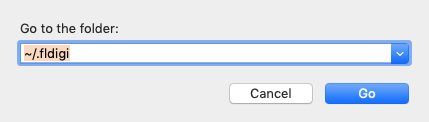
Some organizations or groups conduct structured digital communications, using FLDIGI, and may provide a set of FLDIGI Macros to support their digital communications activities. This article intends to provide some guidance on how to locate the FLDIGI Macro folder, and then how to configure FLDIGI to use the newly installed macro file.
On Windows, navigate to:
C:\Users\YOUR_ACCOUNT_NAME\fldigi.files\macros
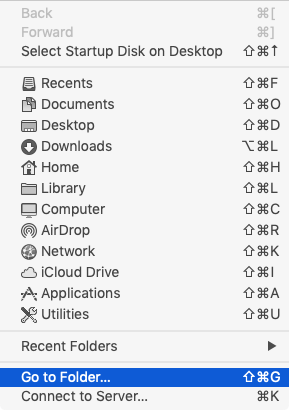
On Mac OS, the FLDIGI configuration data folder is hidden. You can navigate to the macro file by executing the following steps:
: In the 1950s, films like Neelakkuyil (1954) were instrumental in forming a unified Malayali identity by incorporating regional dialects, slang, and communal idioms.
Malayalam Cinema and Culture: A Symbiotic Evolution Malayalam cinema, colloquially known as , serves as a profound cultural mirror for the South Indian state of Kerala. Rooted in the region's high literacy rates and intellectual traditions, the industry has evolved from early silent films to a global sensation recognized for its technical finesse and unflinching social realism. The Genesis and Shaping of Identity : In the 1950s, films like Neelakkuyil (1954)
: Balan (1938) marked the transition to sound, though early films remained heavily influenced by Tamil and theatre-style aesthetics. The Genesis and Shaping of Identity : Balan
Malayalam cinema began with J. C. Daniel’s silent feature Vigathakumaran (1928), which notably focused on social drama rather than the mythological themes prevalent in other Indian industries at the time. Daniel’s silent feature Vigathakumaran (1928)
A Social History of Malayalam cinema from its origins to 1990. - IJHSSI
The 1980s are widely regarded as the of Malayalam cinema. This era saw the rise of a "middle path"—films that balanced commercial appeal with high artistic merit.