Understanding why people "gatekeep" their fashion helps explain why viewer tools are so popular.
Finding a hidden item allows you to buy it, which directly supports the creator of that item with Credits.
If a user chooses to hide their look, bypassing that choice can be seen as a form of digital harassment or "style theft."
Some users wear custom textures or "propped" items that they want to keep exclusive to their inner circle.
For some, it’s simply a matter of personal preference—they don't want their shopping list public. Popular Methods for Viewing Outfits
If you can’t see the exact item, you can often find the creator by right-clicking an avatar in the 3D chat (if the room allows) or looking at the user's "Recent Outfits" on their feed. Often, users forget to hide their outfits on every platform (Mobile vs. Desktop). The Ethical Debate: To View or Not to View?
This guide explores the world of the community uses, how these tools work, and the ethics behind peek-a-boo fashion. What is a Hidden Outfit Viewer?
In the social world of IMVU, fashion is the ultimate currency. Players spend hours—and thousands of Credits—perfecting a look that defines their digital persona. But nothing sparks curiosity quite like a "hidden" outfit. Whether you’re trying to find that one specific mesh or curious how a top creator layered their accessories, uncovering a hidden look has become a meta-game of its own.
New players often use these tools to understand how "pro" avatars are built (e.g., using scalers to change body proportions). The Case Against Viewers

 Automation Systems
  Motion & Power Solutions
  Safety, Vision and IDENT
  Sensing Solutions
  Control Components
  Switching & Accessories
  Switchgear and Trolley Systems
  Process Weighing
  LED Lighting
  Omron
Omron
 Mitsubishi
 Delta
Delta
 Autonics
 Inno
Inno
 Panasonic
 Novotechnik
 Orientalmotor
 Microscan
 IPA
IPA
 Technomech
 Intech
 Honeywell
 IOT & Traceability
 Project & Panel Engg.
 Application Case Studies
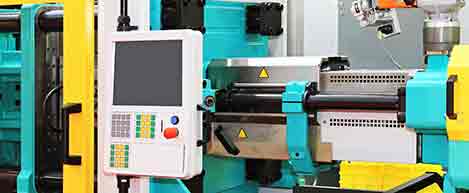 Solutions by Industry
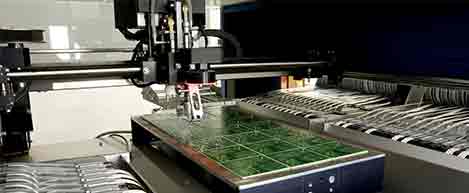 Solutions by Process
 Solutions by Product
 Youtube Videos
 Corporate Information
 Company Profile
 Quality Policy
 Mission Statement
 Chairman's Message
 Intech Group Companies