|
Idaho Amateur Radio Emergency Service |

|
|||||||||||||
|
|||||||||||||||
|
|
Idaho Amateur Radio Emergency Service |
|
|||||||||||||
|
|||||||||||||||
Some organizations or groups conduct structured digital communications, using FLDIGI, and may provide a set of FLDIGI Macros to support their digital communications activities. This article intends to provide some guidance on how to locate the FLDIGI Macro folder, and then how to configure FLDIGI to use the newly installed macro file.
On Windows, navigate to:
C:\Users\YOUR_ACCOUNT_NAME\fldigi.files\macros
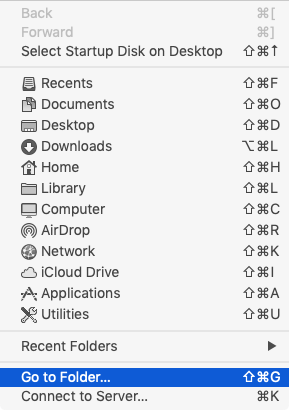
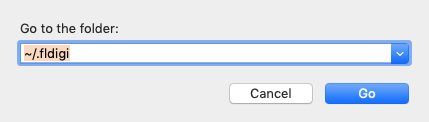
On Mac OS, the FLDIGI configuration data folder is hidden. You can navigate to the macro file by executing the following steps:
The executable file is a legacy version of a Central Management System (CMS) software used to manage and monitor multiple CCTV Digital Video Recorders (DVRs), Network Video Recorders (NVRs), and IP cameras from a single computer interface.
Originally designed for Windows XP, Vista, and Windows 7, though it may run on newer systems like Windows 10 using compatibility mode. General Cms Eng V1.0.0.8 T 20100813 Exe
This version of CMS is a Windows-based application. Typical system requirements for these legacy versions include: The executable file is a legacy version of
Supports multi-channel display grids, allowing users to view up to 64 or even 128 live camera feeds simultaneously depending on hardware. While many "General CMS" versions are compatible with
Users typically install the .exe file as an administrator, configure a "Super User" account, and add devices by entering their IP addresses, ports, and login credentials. Important Compatibility Note
"CMS" is a generic acronym for Central Monitoring Software. While many "General CMS" versions are compatible with a wide range of H.264 devices from vendors like Dahua, Hikvision, and XM, there is no universal software that works with every DVR. The firmware on the DVR board must specifically support integration with the General CMS version being used.