Multi-platform graphical tool for working with Firebird databases
Created by members
of the Firebird community
Product on the market
Experience in DBMS development
Supports all versions of Firebird database
Supports English
and Portuguese
Tools for database analysis and optimization
Runs databases > 1TB
Works on Linux, Windows, MacOS, Android operating systems
Try our app completely free of charge and enjoy all its features
In the realm of popular media, the aesthetic of the historieta is also influencing high fashion, advertising, and interior design. The bold lines, "Ben-Day" dots, and dynamic action poses associated with comic art have become a timeless stylistic choice for brands looking to tap into a sense of energy and youthful rebellion.
Second, the rise of digital "webtoons" and online historietas has democratized the creation of entertainment content. Independent artists can now bypass traditional gatekeepers, sharing their visual narratives directly with millions. This has led to a diversification of stories, moving beyond superheroes into genres like romance, horror, and slice-of-life drama. fotos de historietas xxx mexicanas taringa work
The evolution of these images into mainstream popular media is a testament to the efficiency of visual storytelling. Today, a single frame of a comic—a "foto"—carries more brand equity than almost any other form of intellectual property. The modern entertainment landscape is effectively built on the foundations laid by 20th-century illustrators. Why is this content so dominant in popular media right now? In the realm of popular media, the aesthetic
The visual power of comic art has transformed from cheap newsprint pages into the backbone of global entertainment. When we search for "fotos de historietas," we aren't just looking for nostalgic sketches; we are exploring the blueprints of modern cinema, gaming, and digital storytelling. Today, a single frame of a comic—a "foto"—carries
First, the "transmedia" nature of comic content allows it to live across multiple platforms. A character born in a four-panel strip can seamlessly transition into a 3D video game model, a high-definition movie frame, or a viral social media meme. The "fotos" provide a recognizable visual shorthand that transcends language barriers.
Ultimately, "fotos de historietas" are more than just pictures; they are the DNA of our shared cultural imagination. As technology evolves through VR and AI, these visual narratives will likely become even more immersive, proving that the simple combination of a drawing and a speech bubble remains one of the most powerful tools in the entertainment industry.
Historietas, or comic strips, represent a unique intersection of literature and visual art. In the Spanish-speaking world, these "fotos" or panels have historically been a primary source of social commentary and escapism. From the witty political satire of Quino’s Mafalda to the adventurous escapades of El Eternauta , the medium has always punched above its weight.

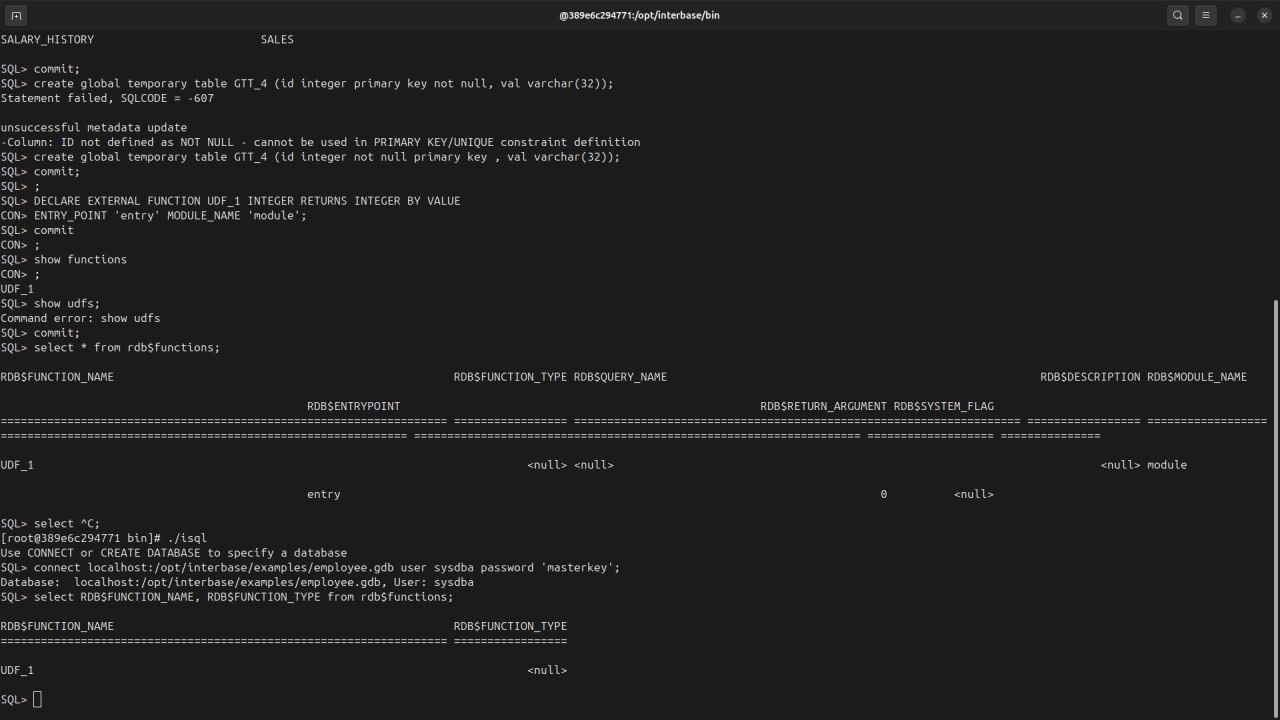
Stop working in the terminal by switching to a graphical tool
In the realm of popular media, the aesthetic of the historieta is also influencing high fashion, advertising, and interior design. The bold lines, "Ben-Day" dots, and dynamic action poses associated with comic art have become a timeless stylistic choice for brands looking to tap into a sense of energy and youthful rebellion.
Second, the rise of digital "webtoons" and online historietas has democratized the creation of entertainment content. Independent artists can now bypass traditional gatekeepers, sharing their visual narratives directly with millions. This has led to a diversification of stories, moving beyond superheroes into genres like romance, horror, and slice-of-life drama.
The evolution of these images into mainstream popular media is a testament to the efficiency of visual storytelling. Today, a single frame of a comic—a "foto"—carries more brand equity than almost any other form of intellectual property. The modern entertainment landscape is effectively built on the foundations laid by 20th-century illustrators. Why is this content so dominant in popular media right now?
The visual power of comic art has transformed from cheap newsprint pages into the backbone of global entertainment. When we search for "fotos de historietas," we aren't just looking for nostalgic sketches; we are exploring the blueprints of modern cinema, gaming, and digital storytelling.
First, the "transmedia" nature of comic content allows it to live across multiple platforms. A character born in a four-panel strip can seamlessly transition into a 3D video game model, a high-definition movie frame, or a viral social media meme. The "fotos" provide a recognizable visual shorthand that transcends language barriers.
Ultimately, "fotos de historietas" are more than just pictures; they are the DNA of our shared cultural imagination. As technology evolves through VR and AI, these visual narratives will likely become even more immersive, proving that the simple combination of a drawing and a speech bubble remains one of the most powerful tools in the entertainment industry.
Historietas, or comic strips, represent a unique intersection of literature and visual art. In the Spanish-speaking world, these "fotos" or panels have historically been a primary source of social commentary and escapism. From the witty political satire of Quino’s Mafalda to the adventurous escapades of El Eternauta , the medium has always punched above its weight.