Invoices, Agreements, Purchase Orders, Legal Documents, HR Documents & Policies, Supplementary Invoices, Credit & Debit Notes, Contracts, Deeds, Property Documents, Form 16 (Part A&B), Tax Returns, Bills, Litigation Documents.
Just simple four steps and multiple documents are signed in seconds
Browse file(s) or a folder
Just browse multiple PDF files at a time or a complete folder that containing files.
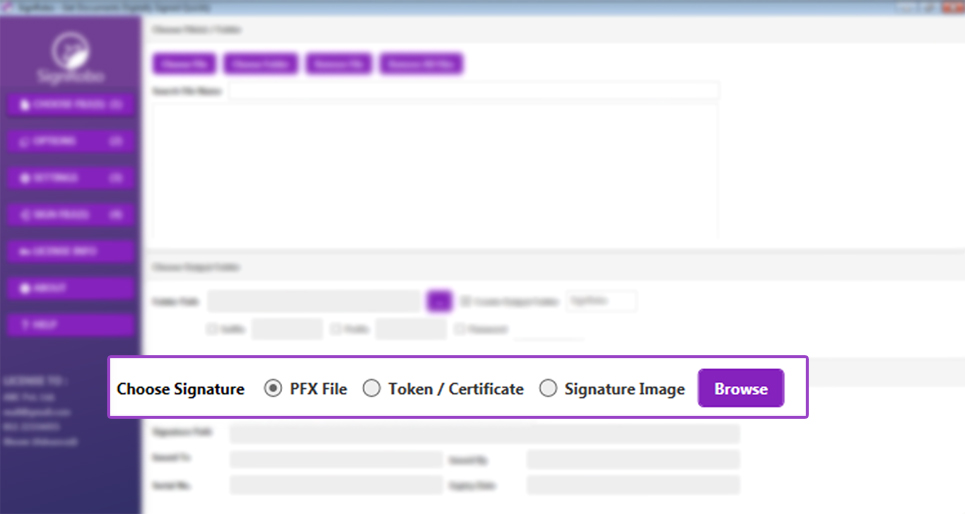
Choose DSC or signature image
Choose either any company's DSC token/USB drive or PFX file or signature image to sign PDF files.
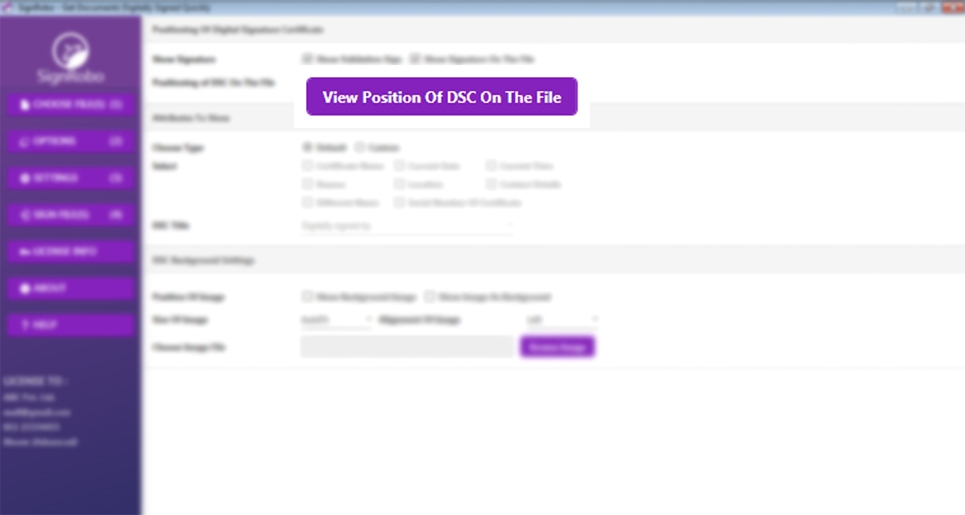
Choose Signature Location
Set the location of signature on the document, e.g. left, right, center, top or bottom. Location preview available.
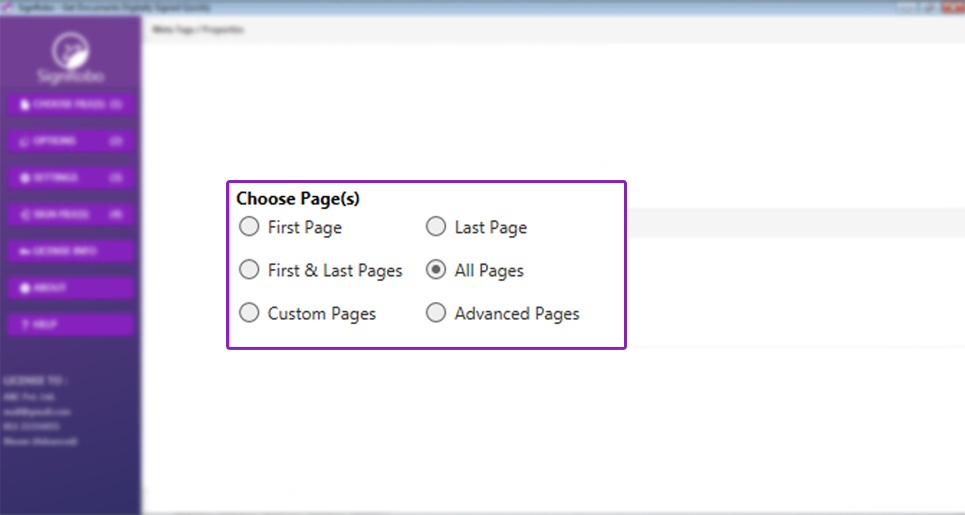
Select page numbers and DONE!
Select page number(s) on which you want get signature and press "sign button" and done.
Simple. Innovative. Go-getter. Nimble. Reliable. Optimal. Byond. Opulent.
SignRobo gives you multiples option to sign file(s), whether you can use any PFX file or DSC from token/USB drive or scanned signature image. This also allows you to sign multiple times on pages, even by using different DSC/token or signature image file. bravo dr sommer bodycheck thats me 11 free
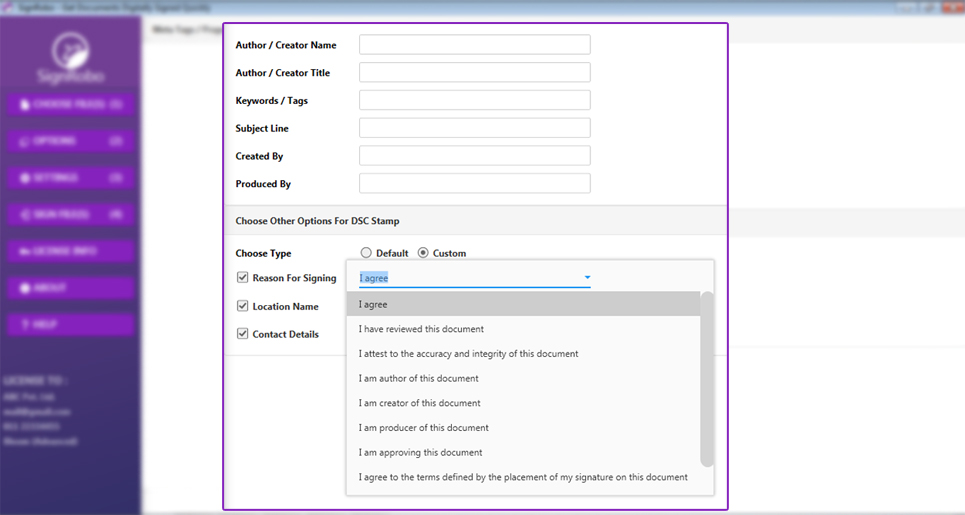
You can choose custom meta tags for file(s). These meta tags option allows you to set creator name, creator's title, location, date, time and reason for signing documents. There are pre-defined reason type there to select, but you have rights to create more reason types. : In the early 2010s, Bravo transitioned the feature to "Dr
It gives an option to have preview before final sign. This is beauty of SignRobo that while having preview, you can alter signature location. Even you can set height and width of the signature. The "Dr
SignRobo gives you many options to choose desired page(s) on the you want DSC or image signature. Wide range and easy to use options are there like, first page, last page, first and last page, custom pages and some advanced options to desired page(s) to get signed.
: In the early 2010s, Bravo transitioned the feature to "Dr. Sommer's Bodycheck," increasing the age range of models to between 18 and 25 to navigate stricter international laws. The Cultural Legacy and Educational Impact
: The transition from segments like "That's Me" to "Bodycheck" was largely influenced by the need to align with evolving international digital safety standards and age-verification requirements.
The "Dr. Sommer" segments represent a specific era of media history where teen magazines served as a primary source of health and developmental information. By addressing topics that were often considered taboo in traditional school settings or at home, these series aimed to normalize the physical changes associated with puberty.
The history of these magazine features highlights the ongoing challenge of providing comprehensive health education while navigating the complexities of media ethics and legal frameworks in an increasingly globalized digital world.
As media consumption moved from print to digital platforms, the way sensitive educational content is handled underwent significant changes.
: In the contemporary landscape, young people typically access health information through moderated medical websites and verified educational social media accounts, which provide interactive and peer-reviewed content.
No repetitive task. Save time and money. Hand over document signing task to SignRobo.
Downloads
Happy Customers
"Hi" Received
Industries We Served


: In the early 2010s, Bravo transitioned the feature to "Dr. Sommer's Bodycheck," increasing the age range of models to between 18 and 25 to navigate stricter international laws. The Cultural Legacy and Educational Impact
: The transition from segments like "That's Me" to "Bodycheck" was largely influenced by the need to align with evolving international digital safety standards and age-verification requirements.
The "Dr. Sommer" segments represent a specific era of media history where teen magazines served as a primary source of health and developmental information. By addressing topics that were often considered taboo in traditional school settings or at home, these series aimed to normalize the physical changes associated with puberty.
The history of these magazine features highlights the ongoing challenge of providing comprehensive health education while navigating the complexities of media ethics and legal frameworks in an increasingly globalized digital world.
As media consumption moved from print to digital platforms, the way sensitive educational content is handled underwent significant changes.
: In the contemporary landscape, young people typically access health information through moderated medical websites and verified educational social media accounts, which provide interactive and peer-reviewed content.